
Air Purifiers, Filtration, Humidifiers & Ventilation Systems
Indoor Air Quality Solutions Ottawa
Breathe cleaner, healthier air in your Ottawa home. Our comprehensive indoor air quality solutions include advanced air purifiers, HEPA filtration systems, whole-home humidifiers and dehumidifiers, UV air purification, and ventilation systems. Reduce allergens, eliminate odors, control humidity, and create a healthier living environment for your family.
Indoor air quality impacts your family's health, comfort, and well-being every day. Poor indoor air quality causes allergies, respiratory issues, dry skin, frequent illness, and discomfort. Our professional indoor air quality solutions address dust, pollen, pet dander, mold spores, volatile organic compounds (VOCs), bacteria, viruses, humidity problems, and odors—creating a cleaner, healthier home environment.
For the cost of a standalone air purifier that only treats one room, you can upgrade your entire home's air quality with whole-home solutions integrated into your HVAC system. We offer comprehensive assessments, professional installation of air purifiers and filtration systems, humidifier and dehumidifier installation, ventilation system upgrades, UV air purification, and ongoing maintenance to keep your indoor air clean and healthy year-round.
Service Available Throughout Ottawa
Related HVAC Services:
Why This Service?
Whole-Home Air Purification
Unlike portable air purifiers that only treat one room, whole-home air purification systems integrated with your HVAC clean the air throughout your entire home.
Advanced HEPA Filtration
HEPA filters remove 99.97% of airborne particles including dust, pollen, pet dander, mold spores, and bacteria as small as 0.3 microns for cleaner air.
Allergy & Asthma Relief
Reduce allergy and asthma triggers by removing airborne allergens, improving respiratory health and comfort for sensitive family members.
Humidity Control Solutions
Whole-home humidifiers prevent dry winter air problems, while dehumidifiers control summer humidity to prevent mold growth and maintain comfort.
UV Air Purification
UV light systems eliminate bacteria, viruses, and mold spores on your evaporator coil, preventing biological growth and improving air quality.
Energy Recovery Ventilation
HRV and ERV systems bring fresh outdoor air into your home while recovering energy, reducing humidity, and preventing stale indoor air problems.
Common Problems We Solve
Allergies & Respiratory Issues
Dust, pollen, pet dander, and mold spores circulating through your HVAC system trigger allergies, asthma, and respiratory problems. Advanced filtration reduces these allergens significantly.
Dry Winter Air
Cold outdoor air lacks moisture. When heated indoors, it causes dry skin, irritated sinuses, static electricity, and forces your furnace to work harder. Whole-home humidifiers restore comfort.
High Summer Humidity
Excess humidity in summer causes discomfort, mold growth, musty odors, and makes your AC work harder. Dehumidification systems control moisture levels effectively.
Stale Indoor Air
Tightly sealed homes trap stale air, odors, and pollutants. Proper ventilation with HRV/ERV systems brings fresh air in while exhausting stale air efficiently.
Dust Buildup
Constant dusting with dust reappearing quickly indicates poor air filtration. Upgrading to high-efficiency filters or electronic air cleaners captures more dust before it settles.
Pet Odors & Dander
Pet owners struggle with lingering odors and airborne dander. HEPA filtration combined with carbon filters removes pet allergens and eliminates odors throughout your home.
Mold & Mildew Concerns
Humidity above 60% promotes mold growth in bathrooms, basements, and ductwork. UV lights and dehumidification systems prevent biological growth and improve health.
Sick Building Syndrome
Poor ventilation and indoor air quality cause frequent illness, headaches, and fatigue. Proper air quality solutions with fresh air ventilation reduce these symptoms dramatically.
Why Choose Carleton Clean Air?
- Comprehensive indoor air quality assessments for Ottawa homes
- Whole-home air purification systems that treat every room
- HEPA filtration installation with 99.97% particle removal
- Humidifier and dehumidifier installation for optimal humidity control
- UV air purification systems that eliminate bacteria and viruses
- HRV and ERV ventilation system installation and service
- Electrostatic air cleaners and electronic filtration options
- Carbon filtration for odor and chemical removal
- Professional air quality testing and mold inspection services
- Ongoing maintenance and filter replacement programs available
Frequently Asked Questions
How much does indoor air quality improvement cost in Ottawa?
Indoor air quality solutions range from $300 for basic filter upgrades to $3,000+ for comprehensive whole-home systems. High-efficiency filters cost $300-$800. Electronic air cleaners range from $1,200-$2,500. HEPA filtration systems cost $1,500-$3,000. Whole-home humidifiers cost $400-$1,200 installed. Dehumidifiers range from $1,800-$3,500. UV air purifiers cost $600-$1,500. HRV/ERV systems range from $2,000-$4,500. We provide detailed quotes based on your home size, existing HVAC system, and specific air quality concerns. Many solutions qualify for financing.
What's the difference between portable and whole-home air purifiers?
Portable air purifiers only clean air in one room and require moving between spaces. They're limited by room size and often noisy. Whole-home air purification systems integrate with your HVAC to clean air throughout your entire home automatically. They're quieter, more effective, require less maintenance, and provide consistent air quality in every room. For the cost of a few quality portable units, you can purify your entire home with a professionally installed system.
Do HEPA filters really work for allergies?
Yes, HEPA (High-Efficiency Particulate Air) filters are highly effective for allergy relief. They capture 99.97% of particles as small as 0.3 microns, including pollen, dust mites, pet dander, mold spores, and bacteria—the most common allergy triggers. HEPA filtration provides significant relief for allergy and asthma sufferers by continuously removing allergens from circulating air. Combined with proper humidity control and regular duct cleaning, HEPA filters dramatically improve indoor air quality for sensitive individuals.
Should I add a humidifier or dehumidifier to my Ottawa home?
Most Ottawa homes benefit from humidifiers in winter and may need dehumidifiers in summer or basements. Winter heating dries indoor air below 30% humidity, causing dry skin, irritated sinuses, static, and increased heating costs. Whole-home humidifiers restore humidity to comfortable 35-45% levels. Summer humidity or basement moisture above 60% promotes mold growth and discomfort. Dehumidifiers control excess moisture. We assess your home's humidity levels and recommend the right solution. Some homes benefit from both systems for year-round comfort.
What is an HRV and do I need one in Ottawa?
An HRV (Heat Recovery Ventilator) brings fresh outdoor air into your home while exhausting stale indoor air, recovering heat energy in the process. Modern homes are sealed tightly for energy efficiency, trapping stale air, odors, humidity, and pollutants. HRVs solve this problem by providing continuous fresh air ventilation without wasting heat. They're especially beneficial for Ottawa homes with allergy sufferers, pets, or humidity issues. HRVs reduce condensation on windows, eliminate stuffiness, and improve overall air quality while maintaining energy efficiency. Building codes now require ventilation systems in many new homes.
Can UV lights really kill bacteria and viruses in my home?
Yes, UV-C germicidal lights effectively eliminate bacteria, viruses, and mold spores in your HVAC system. UV lights are installed near your evaporator coil where moisture and biological growth occur. The UV-C wavelength disrupts the DNA of microorganisms, preventing reproduction and killing them. UV air purification is particularly effective for preventing mold growth on coils, reducing airborne pathogens, and improving air quality for immune-compromised family members. UV lights complement HEPA filtration by addressing biological contaminants that filters may miss.
How often should I change air filters?
Standard 1-inch filters should be changed every 1-3 months depending on usage, pets, and allergies. Homes with pets or allergy sufferers should change filters monthly. High-efficiency 4-5 inch media filters last 6-12 months. HEPA filters typically last 12-18 months. Electronic air cleaners need cleaning every 3-6 months. Dirty filters reduce airflow, strain your HVAC system, increase energy costs, and circulate dust. We provide filter replacement reminders and maintenance programs to keep your air quality systems operating effectively year-round.
What are signs of poor indoor air quality?
Common signs include: frequent allergies or asthma symptoms indoors; constant dust buildup requiring frequent cleaning; stuffy or stale air smell; humidity problems (condensation on windows or musty odors); family members getting sick frequently; respiratory irritation or coughing; visible mold growth; lingering cooking or pet odors; dry skin and irritated sinuses in winter; and humidity or dampness in summer. If you notice these signs, an air quality assessment can identify problems and recommend effective solutions to improve your home's air quality.
Related Air Quality Services
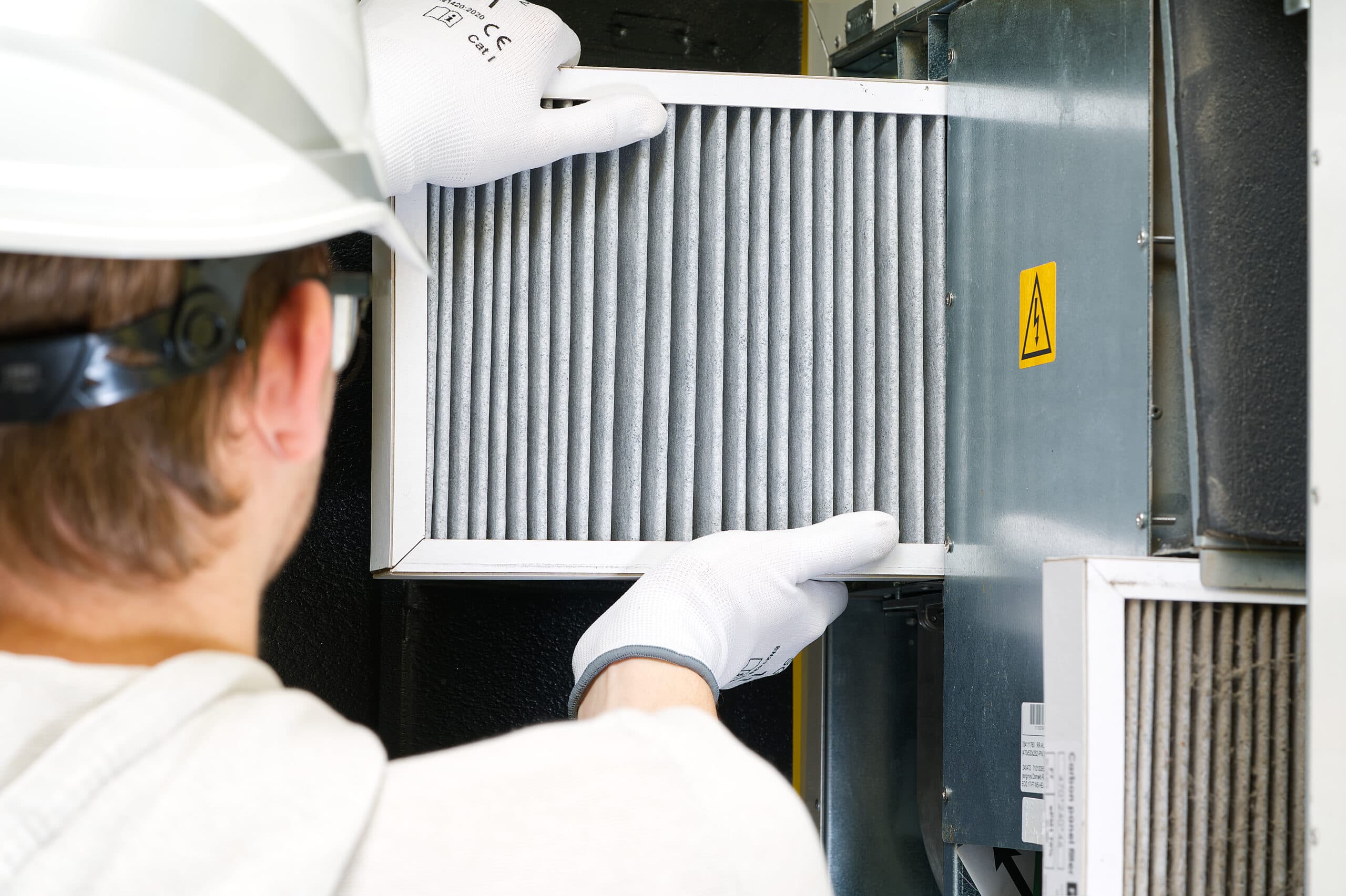
Duct Cleaning Ottawa
Remove dust, allergens, and contaminants from your ductwork. Professional duct cleaning improves air quality and HVAC efficiency.

Furnace Maintenance
Annual furnace maintenance includes filter checks, cleaning, and efficiency optimization. Keep your heating system and air quality at peak performance.
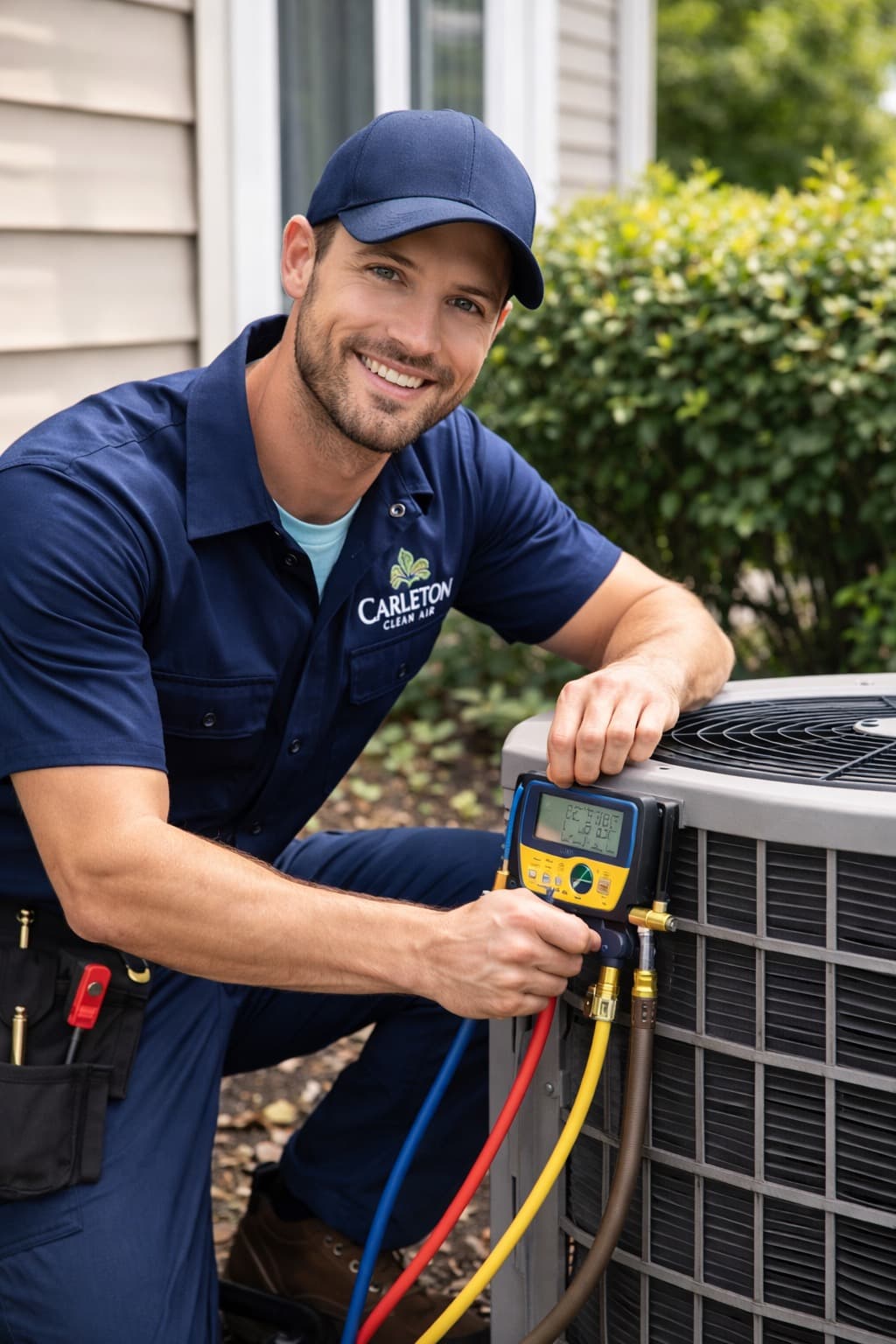
AC Maintenance
Regular AC maintenance prevents mold growth on coils and maintains healthy indoor air quality. Keep your cooling system clean and efficient.
Affordable Air Quality Financing
Investing in indoor air quality is an investment in your family's health. We offer flexible financing options to make whole-home air purification, filtration, and ventilation systems affordable. Ask about our payment plans and current promotions.
Ready to Breathe Cleaner Air?
Get a free indoor air quality consultation. Our experts will assess your home's air quality concerns, explain your options for filtration, purification, and ventilation, and provide honest recommendations. Call 613-257-4642 or request your free consultation online.